
TL;DR:
- Many California auto insurance discounts are not automatic and require drivers to ask or enroll.
- Behavior-based discounts like telematics and low-mileage programs can significantly lower premiums if used wisely.
- Proactively reviewing your policy and consulting with an agent helps maximize savings without sacrificing needed coverage.
Most California drivers assume good auto insurance rates are reserved for people with spotless driving records and decades of loyalty to the same insurer. That’s a costly myth. The truth is that technology, your daily driving habits, where you live, how many vehicles you insure, and even how you pay your premium can all significantly reduce what you pay. There are more ways to save than most people realize, and many of those savings are simply going unclaimed because drivers never thought to ask. This guide walks you through everything you need to know to find, qualify for, and apply the right discounts to your policy.
Table of Contents
- Understanding auto insurance discounts: What really lowers your rate?
- Types of auto insurance discounts available in California
- Telematics, driving behavior, and low-mileage: Key considerations
- How to qualify and apply for auto insurance discounts
- The hidden pitfalls: What most insurance shoppers miss about discounts
- Get expert help: Find the best discounts and coverage for your needs
- Frequently asked questions
Key Takeaways
| Point | Details |
|---|---|
| Know your discount options | California drivers can access more discounts than most realize, but many require proactive requests. |
| Telematics isn’t for everyone | Tech-driven savings can sometimes increase rates for aggressive drivers, so know your habits first. |
| Eligibility varies widely | Discount qualifications often depend on your driving, coverage, and insurer, so always ask. |
| Bundling saves the most | Combining home and auto insurance often leads to the biggest discounts for California residents. |
| Review annually | Insurance needs and discount programs change frequently, so check your policy and apply for new discounts every year. |
Understanding auto insurance discounts: What really lowers your rate?
With the stage set for maximizing savings, it is important to distinguish the most common and impactful ways to lower your insurance bill.
One of the biggest surprises for California drivers is that many discounts are not automatic. Insurers often won’t apply them unless you ask or unless you actively enroll in a program. That means there could be money sitting on the table right now, just because no one flagged it on your current policy. Learning about auto insurance discounts starts with understanding which categories actually move the needle.
There are two broad types of discounts: the ones that reward your status (like being a long-time policyholder, insuring multiple vehicles, or bundling home and auto), and the ones that reward your behavior (like safe driving, low mileage, or completing a defensive driving course). Both matter. But the behavioral discounts are where things get interesting, and where the real opportunity lies for drivers who are willing to engage.
Here is a side-by-side look at how common discounts compare to some that are often overlooked:
| Discount type | Common or overlooked? | Potential savings | Requires action? |
|---|---|---|---|
| Good driver | Common | 10–25% | Yes (record check) |
| Multi-car | Common | 10–20% | Yes (add vehicles) |
| Bundling (home + auto) | Common | Up to 25% | Yes (combine policies) |
| Low-mileage | Overlooked | 5–30% | Yes (mileage verification) |
| Telematics/UBI | Overlooked | 5–40% | Yes (app enrollment) |
| Defensive driver course | Overlooked | 5–15% | Yes (course completion) |
| Paperless billing | Overlooked | 2–5% | Yes (opt-in) |
| Pay-in-full discount | Overlooked | 5–10% | Yes (payment method) |
Telematics, which refers to usage-based insurance (UBI) programs that track your driving through an app or plug-in device, is one of the most powerful tools available. But as telematics data shows, it rewards safe drivers and can penalize aggressive ones with surcharges. That makes it a double-edged opportunity. For cautious drivers and people who work from home, it is a genuine money-saver. For someone with a heavy-footed commute, it can backfire.
Understanding how California auto insurance options and insurance coverage basics interact with these discounts gives you a stronger foundation for making smart choices.
Types of auto insurance discounts available in California
Now that you are aware of what discounts exist, here is a breakdown of the most popular categories, including eligibility requirements and the actual savings potential they offer.
California drivers have access to a wide range of discounts, but knowing which ones apply to your specific situation is the key. Here are the main categories:
- Good driver discount: California law actually requires insurers to offer good driver discounts to drivers with no at-fault accidents and no major violations over the past three years. This can reduce your premium by up to 20%.
- Multi-car discount: Insuring more than one vehicle on the same policy can yield savings of 10 to 20%. It is one of the easiest discounts to qualify for if you have a household with more than one car.
- Bundling discount: Combining your auto policy with homeowners or renters insurance under one insurer typically saves between 10 and 25%. Many families overlook this because they set up each policy separately at different times.
- Low-mileage discount: If you drive fewer than 7,500 to 10,000 miles per year (the threshold varies by insurer), you may qualify for a reduced rate. This is especially valuable for retirees, remote workers, and anyone with a short commute.
- Telematics or usage-based insurance (UBI): Programs like Farmers Signal or similar apps monitor your speed, braking, cornering, and time of day you drive. Safe behavior can earn you significant savings. However, UBI programs can backfire for aggressive drivers who end up paying more than before.
- Defensive driver course discount: Completing an approved defensive driving course can reduce your premium by 5 to 15%. Many online options are available and cost very little compared to the savings.
- Loyalty discount: Staying with the same insurer for multiple years can trigger automatic loyalty rewards. That said, loyalty should never stop you from comparing rates annually.
Understanding insurance coverage tips and essential auto coverages in California ensures that while you are saving money, you are not accidentally dropping the protections you actually need.
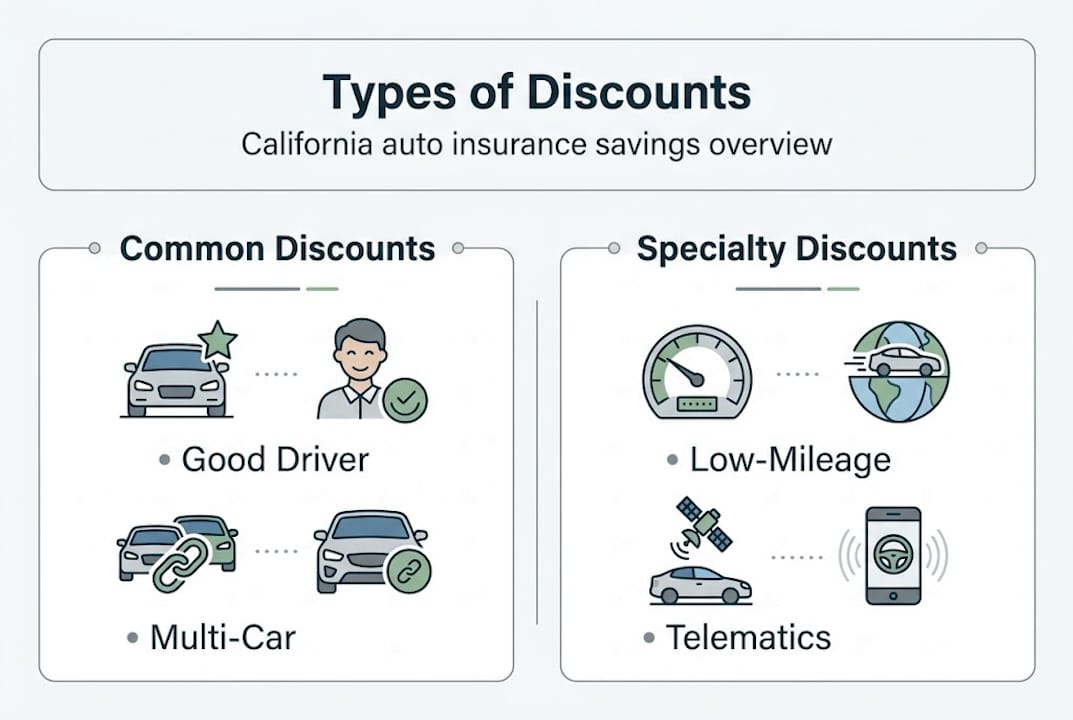
The safe driving benefits of maintaining a clean record extend well beyond just one discount. They stack. A good driver who also bundles policies, drives low mileage, and opts into telematics can realistically see 30 to 50% lower premiums compared to an unqualified baseline rate.
Pro Tip: Ask your agent to run a full discount eligibility review on your policy at least once a year. Many qualifying discounts, like completing a defensive driving course or switching to paperless billing, are easy wins that take less than an hour to set up.
Telematics, driving behavior, and low-mileage: Key considerations
Among today’s most powerful discount-shaping tools are digital tracking, driving behavior analytics, and low-mileage plans. Here is how to use them wisely.
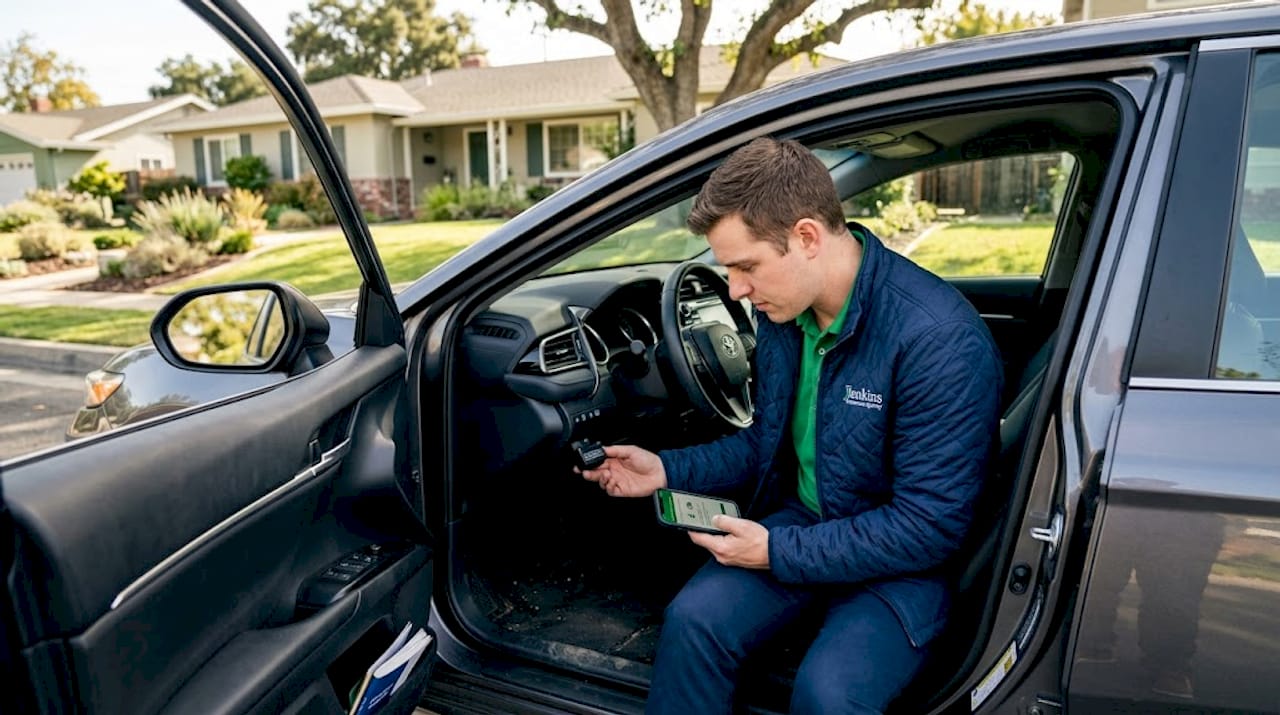
Telematics is changing how auto insurance works. Instead of basing your rate entirely on historical factors like age, credit score, and your zip code, insurers now have the ability to watch how you actually drive. That shift is great news for safe drivers, but it demands some careful thought before you sign up.
Here is how telematics typically works in California:
- You download an app or plug a device into your car’s OBD-II port (the same port mechanics use for diagnostics).
- The program monitors hard braking, fast acceleration, sharp cornering, late-night driving, and overall mileage.
- At the end of the evaluation period (usually 90 days), your insurer scores your driving and adjusts your rate accordingly.
- Some programs continue monitoring your driving permanently, not just during the trial period.
That last point is critical. If you drive aggressively, telematics programs can raise your rate, sometimes significantly. It is not just about the initial discount. It is an ongoing relationship between your behavior and your premium.
Who benefits most from telematics and low-mileage programs?
- Remote workers and work-from-home drivers who use their car only for errands and occasional trips.
- Retirees who drive infrequently and stay close to home.
- Safe, experienced drivers who already practice smooth acceleration and gradual braking.
- Urban drivers who rely on public transit for most trips and keep annual mileage well below 10,000.
Who should think carefully before enrolling?
- Long-distance commuters who rack up high mileage quickly.
- Drivers with aggressive habits, such as frequent hard braking or heavy highway merging.
- People who drive late at night regularly, since many programs flag nighttime driving as a risk factor.
“Usage-based insurance programs reward behaviors that reflect lower risk. But if your daily commute involves aggressive lane changes or highway rush-hour stops, these programs can end up costing you more, not less.” This is something we see regularly when reviewing policies with clients in the Santa Rosa area, and it is why personalized guidance matters.
Pro Tip: Before enrolling in a telematics program, try using a free driving app for 30 days to score your own habits. Apps like Life360 or even Google Maps can give you a rough sense of your braking and speed patterns before an insurer starts officially recording them.
Staying informed about safe habits also helps you avoid larger issues down the road. If you ever do experience an incident, having a clear record of responsible behavior supports your case. Reviewing an accident checklist and safe driving guide ahead of time is a smart step that many drivers skip.
For those considering combining discounts with other policies, our bundling insurance guide shows exactly how layering home and auto coverage can amplify your savings.
How to qualify and apply for auto insurance discounts
With discounts identified and programs explained, here is how you can make sure you actually receive every savings opportunity available to you.
Many California drivers leave money on the table simply because they never go through a formal review of their policy. The process of claiming discounts is not complicated, but it does require you to be proactive. Here is a straightforward approach:
- Pull out your current policy and read it. Look at the discounts section. Many insurers list which discounts are currently applied. If that list is short, it is a signal to ask questions.
- Contact your agent and ask for a full discount audit. Ask specifically: “What discounts am I currently receiving, and which ones might I qualify for that I am not getting?” A good agent will welcome this conversation.
- Ask about enrollment requirements. Some discounts, like telematics or defensive driver course credits, require you to complete a specific step before the discount activates. Find out what documentation is needed.
- Update your driving information if it has changed. If you started working from home, moved closer to work, or retired, your annual mileage may have dropped significantly. Lower reported mileage can unlock new savings categories.
- Review your bundling situation. If your home and auto policies are with different companies, calculate whether switching to a single insurer would save you money overall, even if one individual rate is slightly higher.
- Set a reminder for annual policy reviews. Your life changes every year. New teen driver in the household? New car? Paid off your loan? Each of these events affects your coverage needs and your discount eligibility.
According to discount program research, low-mileage plans work best for commuters who have shifted to remote work, making it one of the most underused savings opportunities in California right now.
For business owners who use their vehicles for work purposes, the discount landscape looks a little different. Our page on auto insurance for business owners explains how commercial use affects rates and what protections you need to keep in place while still finding savings.
The hidden pitfalls: What most insurance shoppers miss about discounts
Here is what we have learned from years of helping California drivers find better coverage at better rates. There are common mistakes that almost always come up, and most of them are avoidable.
The first mistake is chasing discounts at the expense of coverage. A driver who drops comprehensive coverage to qualify for a lower-premium tier may save $200 a year, only to face a $6,000 loss after a theft or weather event that would have been covered. Discounts should reduce what you pay for the right amount of protection, not be used as a justification to strip down your policy. Understanding full coverage vs. liability is essential before you start adjusting anything.
The second mistake is assuming discounts apply automatically. We hear this often: “I assumed I was already getting that.” In reality, bundling discounts, low-mileage credits, and telematics rewards almost always require deliberate enrollment. They do not just appear on your bill.
The third mistake is ignoring the fine print on telematics programs. As noted consistently in telematics program data, these programs can raise your rate if your driving behavior does not meet the insurer’s standards. Some programs also share your data with third parties or use it to adjust your renewal quote even if you discontinue the program. Read the terms before you opt in.
Here is a quick summary of the most costly mistakes we see:
- Reducing coverage to chase a lower premium without understanding what you are giving up.
- Never reviewing your policy and missing discounts you have already earned.
- Enrolling in telematics without testing your habits first, leading to a premium increase instead of savings.
- Forgetting to report life changes like a move, retirement, or a new vehicle that could qualify for new discounts.
- Choosing a lower-cost policy from an unfamiliar insurer without checking their claims reputation or local support.
Our honest take: discounts are tools, not destinations. The goal is a policy that protects you completely and costs you as little as reasonably possible to maintain that protection.
Get expert help: Find the best discounts and coverage for your needs
Having learned the nuances of auto insurance discounts, the next step is to put this knowledge to work with expert support.
Navigating California’s auto insurance options on your own can feel overwhelming. There are dozens of programs, conditions, and eligibility rules that change depending on your insurer, your vehicle, and your zip code. That is where having a local agent makes a real difference.

At Jenkins Insurance Agency Inc., we work with drivers across Sonoma County and throughout California to find the coverage that actually fits their life. We know the programs, we know the questions to ask, and we take the time to understand your unique situation before making any recommendations. Whether you are exploring auto insurance options in Santa Rosa or want to learn whether our guide to insurance bundling could help you cut your combined premiums, we are here to help. Reach out to our team today for a personalized policy review. No pressure, just honest guidance from people who know your community.
Frequently asked questions
Which auto insurance discounts are the easiest to qualify for in California?
Multi-car, bundling home and auto, and good driver discounts are the most widely available and easiest to request, with most requiring only a quick conversation with your agent to activate.
Does enrolling in telematics always lower my insurance rate?
Not always. Telematics lowers rates for safe, low-mileage drivers but can actually raise premiums for those with aggressive habits like hard braking or frequent late-night driving.
Can I stack multiple discounts for bigger savings?
Yes, most California insurers allow you to combine several discounts at once, though there may be caps or exceptions that vary by company, so it is worth confirming with your agent what combinations are available.
Will asking about discounts affect my existing coverage?
Asking about discounts does not change your coverage at all. However, if you adjust your policy or modify coverage levels to qualify for certain discounts, that could impact the protections you currently have in place.
Recommended
- California Insurance Guide 2026: Save 25% with Bundling – Jenkins Insurance Agency Inc.
- How to Choose Auto Insurance for California Residents – Jenkins Insurance Agency Inc.
- California auto insurance basics: 30/60/15 coverage explained – Jenkins Insurance Agency Inc.
- What is auto coverage? A clear guide for California drivers 2026 – Jenkins Insurance Agency Inc.