
Many California drivers believe meeting the state’s minimum auto insurance requirements fully protects them after accidents. That assumption often proves costly. California law mandates minimum liability coverage, but those limits frequently fall short when serious crashes occur. This guide clarifies what the state legally requires, explains coverage gaps, and helps you decide whether additional protection makes sense for your situation and budget.
Table of Contents
- California’s Minimum Auto Insurance Requirements
- Overview Of Liability Coverage Types
- Legal Consequences Of Non-Compliance
- Special Requirements: SR-22 And Financial Responsibility
- Common Misconceptions About Minimum Coverage
- Coverage Options Beyond The Minimum
- Cost Considerations And Finding Affordable Compliance
- Special Considerations For First-Time Buyers
- How Jenkins Insurance Helps Meet California Auto Insurance Requirements
Key takeaways
| Point | Details |
|---|---|
| Minimum liability | California mandates 15/30/5 coverage limits for bodily injury and property damage. |
| Liability scope | Liability insurance pays for others’ injuries and property damage but excludes your own vehicle repairs or medical bills. |
| Non-compliance penalties | Driving uninsured risks fines up to $2,000, vehicle impoundment, license suspension, and mandatory SR-22 filing. |
| SR-22 requirement | SR-22 certifies financial responsibility for three years following violations or uninsured driving incidents. |
| Coverage upgrades | Additional protection beyond minimum limits reduces financial risk and covers your own vehicle damage. |
California’s minimum auto insurance requirements
California law establishes baseline financial responsibility standards for all registered vehicle owners. Every driver must carry liability coverage meeting specific dollar thresholds to legally operate a vehicle on public roads. These mandates exist to ensure victims of accidents caused by insured drivers receive compensation for injuries and property damage.
The state requires three distinct minimum coverage components:
- $15,000 bodily injury liability per person injured in an accident you cause
- $30,000 total bodily injury liability per accident when multiple people sustain injuries
- $5,000 property damage liability covering repairs to vehicles or property you damage
These figures, commonly shortened to 15/30/5, represent the legal floor. Operating without this coverage makes you subject to immediate penalties. Registration renewal becomes impossible without proof of insurance, and law enforcement can verify coverage status during traffic stops through electronic databases.
Overview of liability coverage types
Understanding what liability insurance actually covers prevents unpleasant surprises after accidents. The two main components serve distinct purposes, and both have notable exclusions that catch unprepared drivers off guard.
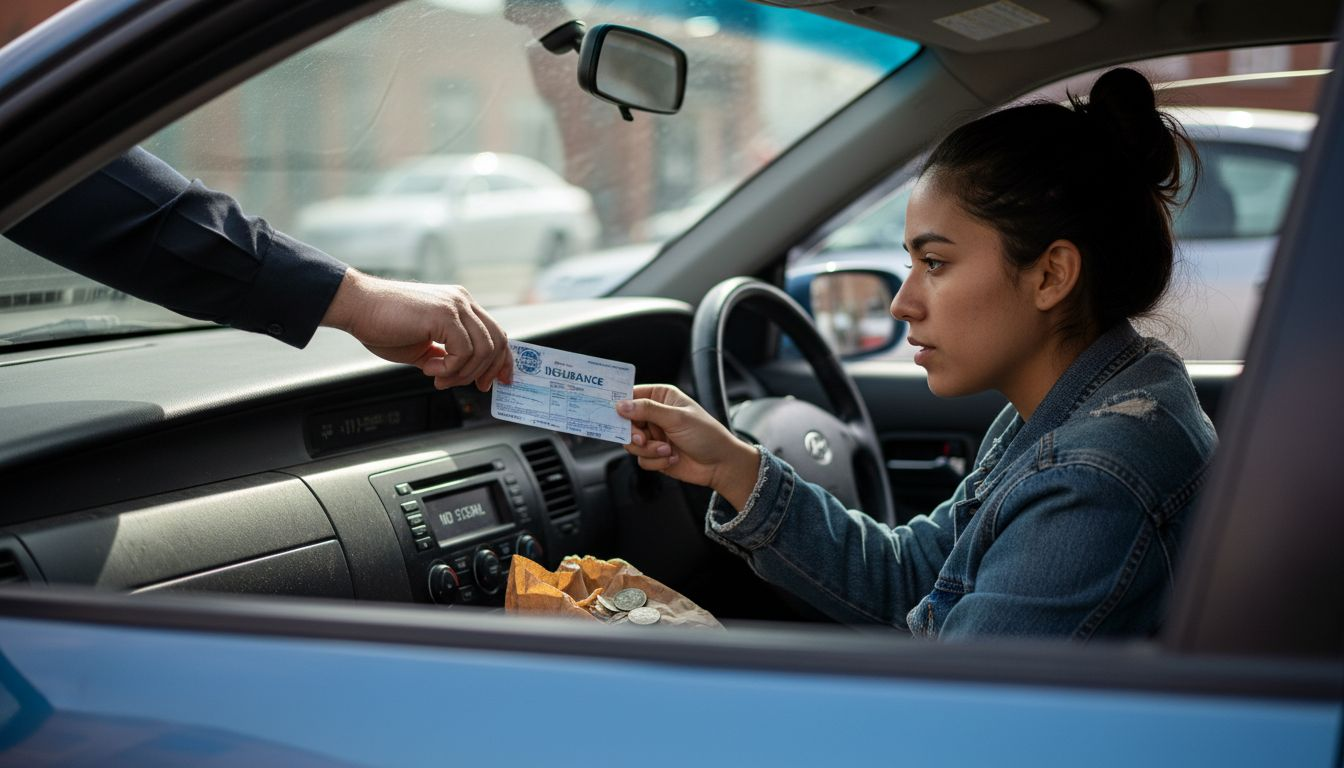
Bodily injury liability pays medical expenses, lost wages, and pain-and-suffering damages for people you injure in crashes you cause. This coverage also funds your legal defense if injured parties sue you. It applies per person up to your per-person limit, with a separate cap for total payouts per accident. If you cause a collision injuring three people, each person’s claim maxes out at your per-person limit, but combined claims cannot exceed your per-accident limit.
Property damage liability handles repair bills for vehicles, buildings, fences, or other property you damage. If you strike another car, this coverage pays to fix it. Crash into someone’s mailbox or storefront? Property damage liability covers those repairs too.
Here’s the critical exclusion: liability insurance never covers your own injuries or vehicle damage. You need separate collision and comprehensive coverage for that protection. Many drivers discover this gap only after accidents leave them with totaled vehicles and medical bills their insurance won’t touch. Your liability policy protects others from financial harm you cause. It does nothing for your own losses.
Pro Tip: Take photos of your insurance card and store them digitally on your phone. Electronic proof of insurance is legally valid in California, and having backup copies prevents headaches during traffic stops or after accidents.
Legal consequences of non-compliance
California takes insurance compliance seriously, enforcing violations through escalating penalties designed to deter uninsured driving. The financial and practical consequences stack up quickly for drivers caught without proper coverage.
First-time offenders face fines between $100 and $200, plus penalty assessments that typically double the base amount. Fines can reach $2,000 for repeat violations. Beyond monetary penalties, the DMV suspends vehicle registration for uninsured cars, making it illegal to drive them on public roads. Police can impound vehicles found operating with suspended registration, adding towing and storage fees to your costs.
License suspension represents another serious consequence. The DMV suspends driving privileges for insurance lapses, requiring proof of current coverage and payment of reinstatement fees before restoring your license. During suspension periods, any driving constitutes a misdemeanor offense carrying additional fines and potential jail time.
Repeat violations trigger progressively harsher penalties. Second and subsequent offenses result in longer suspension periods, higher fines, and mandatory SR-22 filing requirements that persist for years. Your insurance premiums spike dramatically once insurers classify you as high-risk.
California processes over 250,000 insurance suspension actions annually, demonstrating aggressive enforcement of compliance requirements.
Maintaining continuous coverage and carrying proof in your vehicle prevents these cascading problems. Digital insurance cards work just as well as physical ones, giving you backup options if you misplace your original documentation.
Special requirements: SR-22 and financial responsibility
SR-22 insurance confuses many drivers who hear the term but don’t understand its purpose or mechanics. It’s not actually a type of insurance policy. Instead, an SR-22 is a certificate your insurance company files with the DMV proving you carry at least minimum required coverage.
The DMV mandates SR-22 filing for drivers with specific violations including DUI convictions, multiple at-fault accidents, driving without insurance, or reckless driving charges. Once flagged, you must maintain continuous SR-22 certification for three years. Your insurer monitors your policy and immediately notifies the DMV if you cancel coverage or let it lapse. That notification triggers automatic license suspension.
Filing an SR-22 doesn’t directly cost much, typically $15 to $50. The real expense comes from dramatically higher insurance premiums. Insurers view SR-22-required drivers as high-risk, often charging 50% to 100% more than standard rates. These elevated premiums persist throughout your three-year SR-22 period and sometimes longer.
“SR-22 certificates serve as a monitoring mechanism, ensuring high-risk drivers maintain continuous financial responsibility. The DMV receives instant notification of any coverage gaps, enabling swift enforcement action.”
Not every driver needs SR-22 filing. Only those specifically ordered by courts or flagged by the DMV face this requirement. If you’re unsure whether you need an SR-22, check your DMV records or ask your insurance agent. Failing to file when required immediately suspends your license and registration.
Once your three-year period ends without violations, the SR-22 requirement drops and your premiums typically decrease, though your driving record continues affecting rates for several more years.
Common misconceptions about minimum coverage
Several persistent myths about minimum auto insurance create false security among California drivers. Understanding what minimum coverage actually does and doesn’t cover helps you make informed decisions about additional protection.
The biggest misconception: minimum liability covers your own vehicle damage. It doesn’t. If you cause an accident that totals your car, your liability policy pays zero toward replacing it. You’re stuck covering that entire cost yourself unless you purchased separate collision coverage.
Many drivers also mistakenly think liability handles their medical bills after accidents they cause. Wrong again. Bodily injury liability only pays for other people’s injuries. Your medical expenses from accidents you cause come out of pocket or through your health insurance unless you bought medical payments coverage or personal injury protection.
Another dangerous assumption holds that $15,000 per person adequately covers serious injuries. Modern medical costs make that limit laughably inadequate. Emergency room visits, surgery, hospitalization, and rehabilitation for severe injuries routinely exceed $100,000. When your liability limits run out, injured parties can sue you personally for remaining costs. Courts can garnish wages, place liens on property, and seize assets to satisfy judgments.
Some drivers believe minimum coverage costs significantly less than higher limits. The premium difference between 15/30/5 and 100/300/100 coverage often amounts to just $15 to $40 monthly. That modest increase provides six times more protection.
Pro Tip: Calculate your net worth including home equity, savings, and other assets. Your liability limits should match or exceed that amount to protect against lawsuits that could wipe out everything you own.
Coverage options beyond the minimum
Smart drivers consider coverage additions that protect their own interests, not just legal compliance. Several options fill gaps left by minimum liability requirements, and understanding their value helps you balance cost against protection.

Collision coverage pays to repair or replace your vehicle after accidents, regardless of fault. If you crash into another car, a tree, or flip your vehicle, collision coverage handles your repair bills minus your deductible. For financed or leased vehicles, lenders typically mandate this coverage.
Comprehensive coverage protects against non-collision damage including theft, vandalism, fire, flood, hail, and animal strikes. Your vehicle’s current value determines whether comprehensive makes financial sense. For cars worth less than $3,000, the premium cost may exceed potential payouts.
Full coverage combines liability, collision, and comprehensive, creating robust protection. Adding these coverages typically increases premiums 40% to 60% compared to minimum liability alone, but eliminates most out-of-pocket risk.
Increasing liability limits beyond minimums provides crucial protection against devastating lawsuits. Industry experts recommend 100/300/100 coverage as a practical standard. The modest premium increase delivers enormous peace of mind.
| Coverage Type | What It Covers | Typical Cost Increase | Who Needs It |
|---|---|---|---|
| Collision | Your vehicle damage from accidents | +25% to +35% | Financed vehicles, newer cars |
| Comprehensive | Theft, weather, vandalism, animal strikes | +15% to +25% | All vehicles over $3,000 value |
| Higher Liability Limits | Injury/damage claims exceeding minimums | +10% to +20% | Anyone with assets to protect |
| Uninsured Motorist | Injuries from uninsured drivers | +8% to +15% | All drivers in California |
Uninsured and underinsured motorist coverage protects you when at-fault drivers lack adequate insurance. With roughly 17% of California drivers operating without insurance, this coverage proves essential. It pays your medical bills and vehicle damage when uninsured drivers hit you.
Working with experienced agents helps identify which coverages make sense for your situation. They analyze your vehicle value, financial position, and risk tolerance to recommend optimal protection. Local Santa Rosa agents understand California-specific requirements and common regional risks.
Pro Tip: Bundle auto insurance with homeowners or renters policies to unlock multi-policy discounts ranging from 15% to 25%. The combined premium often costs less than purchasing policies separately.
Cost considerations and finding affordable compliance
Auto insurance premiums vary dramatically based on factors both within and beyond your control. Understanding these variables helps you find affordable coverage meeting California’s requirements.
Your ZIP code significantly impacts rates. Urban areas with high accident rates, theft, and vandalism command higher premiums than rural regions. Los Angeles and San Francisco drivers pay substantially more than those in Redding or Eureka. Insurers analyze claims data for your specific location when calculating rates.
Driving history carries enormous weight. Clean records earn preferred rates, while tickets, accidents, and violations spike costs. A single at-fault accident typically increases premiums 20% to 40% for three years. DUI convictions can triple your rates.
Vehicle type affects premiums through repair costs, theft rates, and safety ratings. Sports cars and luxury vehicles cost more to insure than economy sedans. Age matters too. Drivers under 25 and over 70 face higher rates reflecting increased accident statistics for those age groups.
Minimum coverage premiums in California range from $600 to $1,800 annually depending on these factors. Shopping multiple insurers often reveals rate differences exceeding 50% for identical coverage. Comparing quotes from several carriers through independent agents saves considerable money.
Maintaining continuous coverage prevents rate spikes. Insurance lapses trigger surcharges and potential SR-22 requirements. Set up automatic payments to avoid accidental cancellations from missed bills.
Available discounts slash premiums when you qualify:
- Good student discounts for young drivers maintaining B averages or better
- Multi-car discounts when insuring multiple vehicles on one policy
- Safe driver discounts for accident-free periods
- Defensive driving course completion credits
- Low mileage discounts for drivers under 7,500 annual miles
Bundling home and auto policies delivers the biggest savings, often reducing combined premiums 20% to 30%. Working with agents who represent multiple carriers helps identify the best discount combinations for your specific situation.
Special considerations for first-time buyers
First-time car buyers in California face unique insurance challenges stemming from inexperience and budget constraints. Making smart initial coverage decisions prevents costly mistakes and establishes solid protection.
Many new buyers purchase only minimum liability to reduce upfront costs. While understandable, this strategy leaves them completely exposed to vehicle loss and personal injury expenses. Over 40% of first-time buyers carry insufficient coverage, discovering gaps only after accidents create financial hardship.
New drivers lack insurance history, triggering higher initial rates. Insurers view them as unproven risks. Young first-time buyers under 25 face especially steep premiums due to accident statistics for their age group. Remaining on parents’ policies when possible provides substantial savings compared to separate policies.
Financed vehicles require comprehensive and collision coverage as loan conditions. Buyers focusing only on minimum legal requirements get surprised when lenders mandate additional protection. Factor those required coverages into affordability calculations before committing to vehicle purchases.
Local agents provide invaluable guidance for first-time buyers navigating coverage decisions. They explain options clearly, identify appropriate protection levels for your budget, and help balance immediate affordability against long-term financial security.
Smart first-time buyers take these steps:
- Compare quotes from at least three insurers before purchasing
- Ask about available discounts including good student, defensive driving, and bundling
- Consider slightly higher deductibles to reduce premium costs
- Review coverage annually and adjust as your financial situation improves
- Maintain clean driving records to qualify for better rates at renewal
Pro Tip: Start with minimum liability plus comprehensive coverage if buying an older used car outright. This combination meets legal requirements while protecting against theft and weather damage at reasonable cost. Add collision coverage later as your budget allows.
How Jenkins Insurance helps meet California auto insurance requirements
Navigating California’s auto insurance landscape becomes simpler with experienced local guidance. Jenkins Insurance Agency brings deep knowledge of state requirements and personalized service that helps drivers secure appropriate coverage at competitive rates.
Our Santa Rosa team understands California-specific regulations and common coverage gaps that leave drivers vulnerable. We explain options clearly, recommend protection levels matching your situation, and help you avoid costly mistakes. Whether you’re a first-time buyer, need SR-22 filing, or want to upgrade beyond minimum coverage, we tailor solutions to your needs and budget.

Working with local agents provides advantages online quotes can’t match. We answer questions, adjust coverage as your life changes, and advocate for you during claims. Our affiliation with Farmers Insurance gives you access to robust coverage options backed by a nationally recognized carrier, combined with neighborly service focused on long-term relationships rather than one-time transactions.
We help you maintain continuous legal compliance while finding discounts and coverage combinations that reduce costs without sacrificing protection. Contact our team for personalized quotes and guidance that keeps you legally compliant and financially protected on California roads.
FAQ
What are the minimum auto insurance coverage amounts required in California?
California requires $15,000 bodily injury liability per person, $30,000 total bodily injury per accident, and $5,000 property damage liability. These minimums apply to all registered vehicle owners and must be maintained continuously to avoid penalties.
What penalties does California impose for driving without required insurance?
Fines reach up to $2,000 for repeat violations, plus vehicle impoundment and storage fees. License suspension and registration revocation are standard penalties that require proof of coverage and reinstatement fees to resolve.
What is SR-22 insurance and who needs it in California?
SR-22 is a certificate proving you carry required coverage, mandated for three years after violations like DUI or uninsured driving. Your insurer files it with the DMV and monitors your policy, reporting any lapses that trigger immediate license suspension.
Should I get more than California’s minimum auto insurance coverage?
Minimum coverage often leaves you paying huge out-of-pocket costs for your own vehicle damage and medical bills. Additional collision and comprehensive coverage protects your car, while higher liability limits shield your assets from devastating lawsuits exceeding minimum thresholds.
What tips help first-time car buyers in California choose the right insurance?
Start with at least minimum liability to meet legal requirements, then add comprehensive coverage for theft and weather protection. Consult local agents who explain options clearly and help identify discounts. Consider gradually upgrading coverage as your budget improves rather than purchasing inadequate protection initially.
Recommended
- California Insurance Guide 2026: Save 25% with Bundling – Jenkins Insurance Agency Inc.
- How to Choose Auto Insurance for California Residents – Jenkins Insurance Agency Inc.
- 6 Essential Tips for Basic Auto Insurance Coverage – Jenkins Insurance Agency Inc.
- Auto Insurance for Business Owners in California – Jenkins Insurance Agency Inc.